
"coffee and energy"
4000 article(s) found

It's outrageous! It turns out that drinking coffee is like swiping a credit card. It will be overdrawn.
Professional coffee knowledge exchange more coffee bean information please follow the coffee workshop (Wechat official account cafe_style) more boutique coffee beans please add private Wechat Qianjie coffee, WeChat: qjcoffeex "drinking coffee is like swiping a credit card, use your body's energy quota in advance, in a certain
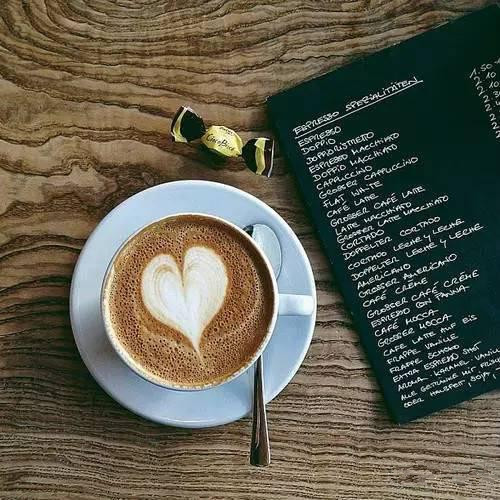
The philosophy of caffeine
My friend told me that your coffee is good, in fact, you don't have to spend as much energy as others on pulling flowers, no matter how it looks, every cafe looks like that, and you get tired of watching it for a long time. Tired of it, in order to attract guests, you have to spend more energy on new designs and colors, and in the end, is it a cafe or a flower shop? Most

Coffee can also be in good health. drinking coffee is both healthy and healthy.
Coffee is the most popular drink in the world. People like coffee more and more, whether at home or in the office, people drink coffee is a kind of feeling, is a kind of fashion, is a kind of leisure, is a kind of culture. But have you ever heard that coffee can also keep you healthy? In Australia, tests on some track and field athletes who consume a small amount of caffeine show that they can withstand the training

How does the sour and bitter in coffee come from?
Many thermal and chemical reactions take place during baking: decarbonation, dehydration of quinic acid, subdivision, isomerization, polymerization, and complex sugar reactions (caramelization).

Coffee grounds can be used to make biodiesel
The latest research from the Centre for Sustainable Chemical Technology at the University of Bath shows that waste coffee grounds can be used to produce biodiesel and has the potential to become a sustainable source of second-generation biofuels. The findings are published in the latest issue of the ACS journal Energy and fuels.
Basic chemical reactions that occur during coffee roasting
Many thermal and chemical reactions take place during baking: decarbonation, dehydration of quinic acid, fragmentation, isomerization, polymerization, and complex sugar reactions (caramelization). The main thermally reactive components are monosaccharides and sucrose, chlorogenic acid, displaced amino acids, and trigonelline amide. Both aravinone and calactose in polysaccharides are transferred, and basic sulfurization contains hydroxyamino acids.
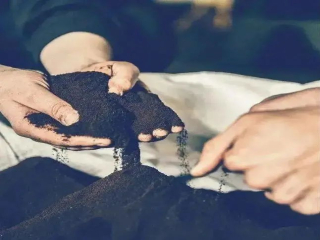
Roasting coffee beans with coffee grounds can achieve zero carbon dioxide emissions.
Coffee grounds, as the most common garbage in cafes, are disposed of as waste in most cases. But as coffee has become a daily "spiritual food" for more and more people, coffee grounds have gradually increased, and the disposal of coffee grounds has become a big project. According to statistics, the world produces more than 8 million tons every year.
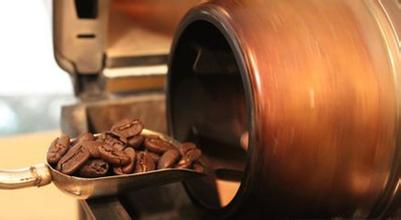
Coffee technical operation: explanation of professional terms related to coffee roasting and coffee roaster
[guide] Post-burner A device that uses a high-energy burner to reburn the smoke generated by a coffee roaster to eliminate smoke. At the same time, it can reduce the smell. A stainless steel basket used by the silver skin of the Fujiga machine dust collector. A device capable of reburning the smoke produced by the coffee roaster with a high heat energy burner to achieve the smoke elimination effect.
The basic chemical reaction of coffee roasting process
Many thermal and chemical reactions take place during baking: decarbonation, dehydration of quinic acid, subdivision, isomerization, polymerization, and complex sugar reactions (caramelization). The main components of the thermal reaction are monosaccharides and sucrose, chlorogenic acid, free amino acids, and fenugreek amide. Both aravinose and calactose in the polysaccharides are transferred, and the basic vulcanization contains hydroxylated amino acid.

Coffee pull-A short story about coffee pull the true story of coffee pull
My friend told me that your coffee is good, in fact, you don't have to spend as much energy as others on pulling flowers, no matter how it looks, every cafe looks like that, and you get tired of watching it for a long time. Tired of it, in order to attract guests, you have to spend more energy on new designs and colors, and in the end, is it a cafe or a flower shop? Most
The basic chemical reaction that takes place during coffee roasting.
Many thermal and chemical reactions take place during baking: decarbonation, dehydration of quinic acid, subdivision, isomerization, polymerization, and complex sugar reactions (caramelization). The main components of the thermal reaction are monosaccharides and sucrose, chlorogenic acid, free amino acids, and fenugreek amide. Both aravinose and calactose in the polysaccharides are transferred, and the basic vulcanization process includes hydroxylamine.

The basic chemical reactions that take place during coffee roasting
Many thermal and chemical reactions take place during baking: decarbonation, dehydration of quinic acid, subdivision, isomerization, polymerization, and complex sugar reactions (caramelization). The main components of the thermal reaction are monosaccharides and sucrose, chlorogenic acid, free amino acids, and fenugreek amide. Both aravinose and calactose in the polysaccharides are transferred, and the basic vulcanization process includes hydroxylamine.
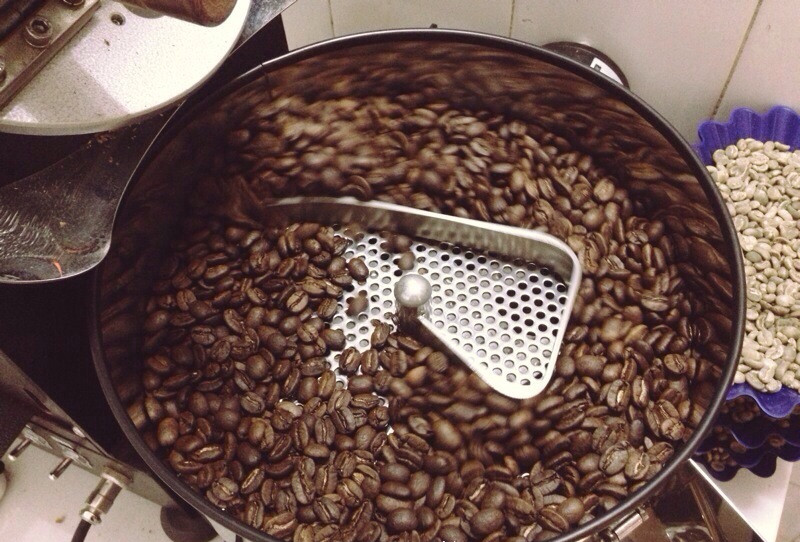
Basic chemical reactions of coffee beans during coffee roasting
Many thermal and chemical reactions take place during baking: decarbonation, dehydration of quinic acid, subdivision, isomerization, polymerization, and complex sugar reactions (caramelization). The main components of the thermal reaction are monosaccharides and sucrose, chlorogenic acid, free amino acids, and fenugreek amide. Both aravinose and calactose in the polysaccharides are transferred, and the basic vulcanization process includes hydroxylamine.
The basic chemical reactions that take place during coffee roasting
Many thermal and chemical reactions take place during baking: decarbonation, dehydration of quinic acid, subdivision, isomerization, polymerization, and complex sugar reactions (caramelization). The main components of the thermal reaction are monosaccharides and sucrose, chlorogenic acid, free amino acids, and fenugreek amide. Both aravinose and calactose in the polysaccharides are transferred, and the basic vulcanization process includes hydroxylamine.
Effect of carbon dioxide in coffee beans on coffee extraction
The reason why there is a gold extraction rate interval in coffee extraction (keep the coffee extraction rate between 18% and 22%, the probability of good taste is the largest) is that the sour, sweet and bitter flavor substances in coffee will be difficult to be taken away by water due to molecular weight and polarity. That is to say, in the whole extraction process, the acid with small molecular weight and strong polarity is extracted first.

Health care: the best coffee drinking schedule for office workers
07:00-09:00 on the way to work relaxing cappuccino Cappuccino the best choice for the first cup of coffee of the day. Take a sip, like wrapped in a soft blanket, warm, soothing and quiet, it gently awakens you and allows leisure and freedom to accompany you all day. The rich milk foam warms your mood and makes you taste it for a long time and make you feel happy all the way. Nervous and busy concentration
The basic chemical reactions that take place during coffee roasting.
Many thermal and chemical reactions take place during baking: decarbonation, dehydration of quinic acid, subdivision, isomerization, polymerization, and complex sugar reactions (caramelization). The main components of the thermal reaction are monosaccharides and sucrose, chlorogenic acid, free amino acids, and fenugreek amide. Both aravinose and calactose in the polysaccharides are transferred, and the basic vulcanization process includes hydroxylamine.

Bulletproof Coffee bulletproof Coffee Brand recommends bulletproof vest Coffee can lose weight really? can you drink it at night
Professional coffee knowledge exchange more coffee bean information please follow the coffee workshop (Wechat official account cafe_style) BulletproofCoffee bulletproof coffee? More people now eat breakfast in a hurry ~ because we get up too late ~ more people choose to have a cup of coffee in the morning

Yunnan coffee is sold in Chongqing by Chongqing-Xinzhou-European Railway.
Baristas make coffee at Chongqing Coffee Exchange Center. (Xinhua News Agency) Chongqing, which produces only coal and no coffee, relies on the "Chongqing-Singapore-Europe" railway linking Central Europe to concentrate coffee from Yunnan, Southeast Asia and South Asia locally and then export it to other provinces in Europe or the mainland. Coffee has replaced coal as the new "black gold industry" in Chongqing, as well as the local energy companies that used to operate the coal industry.
The basic chemical reaction of coffee technology in the process of coffee roasting
Many thermal and chemical reactions take place during baking: decarbonation, dehydration of quinic acid, subdivision, isomerization, polymerization, and complex sugar reactions (caramelization). The main components of the thermal reaction are monosaccharides and sucrose, chlorogenic acid, free amino acids, and fenugreek amide. Both aravinose and calactose in the polysaccharides are transferred, and the basic vulcanization process includes hydroxylamine.